
1700s
A town home on Calle de la Cruz
The house goes up as a fine town home of 18th-century San Juan, built straight against the sidewalk on one of the oldest blocks inside the walls.
How a ruin on Calle de la Cruz became Puerto Rico's first bathhouse and gym.
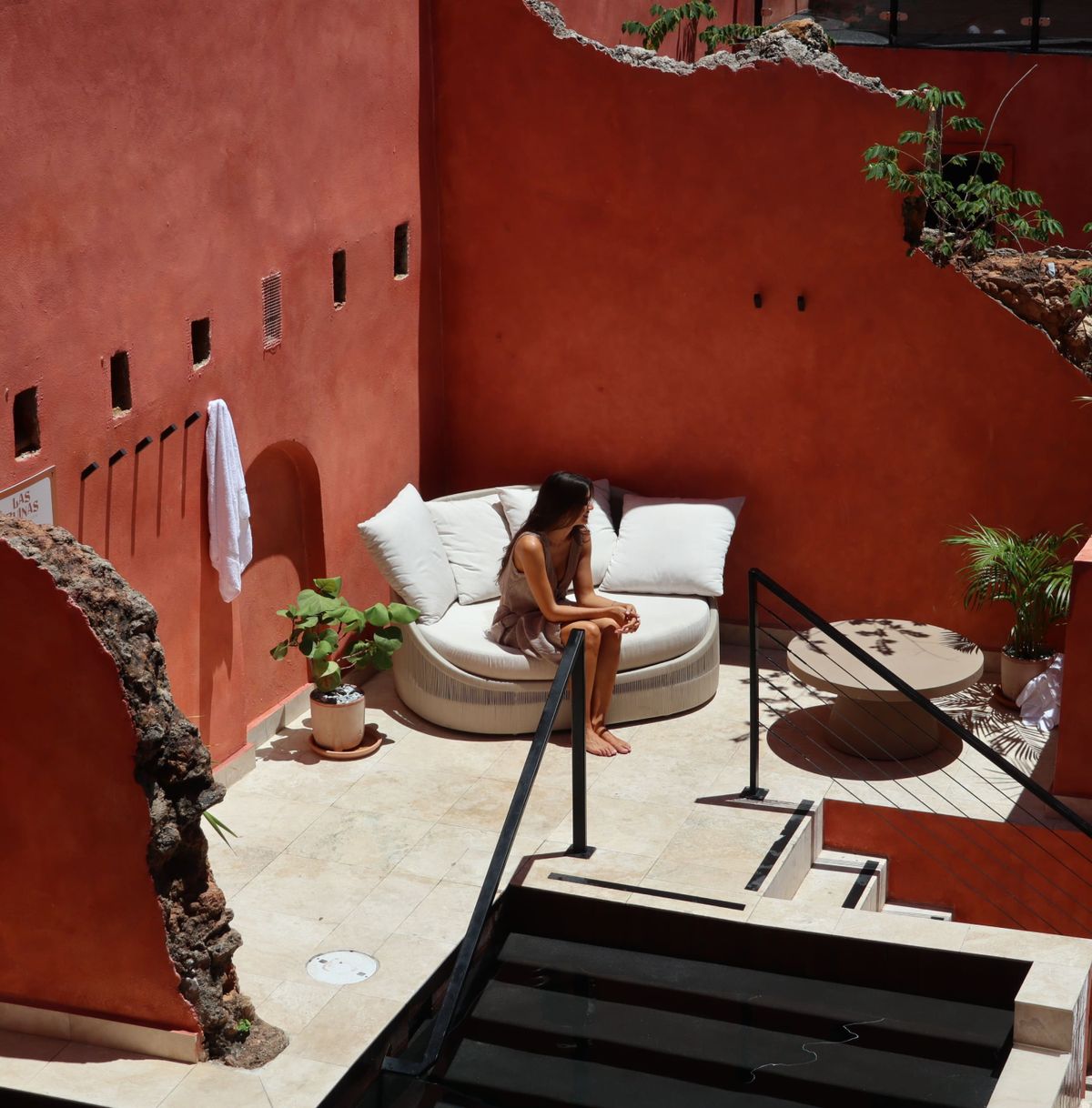
Las Ruinas began with a belief: that wellness deserves the same level of service, design and intentionality as the world's finest hotels.
Our founder, Max Khaghan, spent years in real estate, Airbnbs and hospitality, caring for buildings that welcomed travellers from around the world. Somewhere in those years the idea turned. Instead of simply creating places where people stayed, he wanted to create an experience where people truly connected: with themselves, with others, and with the space itself.
Inspired by bathhouse culture around the world, Las Ruinas brings movement, recovery, hospitality and community together under one roof. More than a gym or a spa, it was designed as a modern ritual where wellness becomes a shared experience.
Photographs of the building before the restoration.
Eleven thousand square feet on Calle de la Cruz, standing since the first years of the walled city.
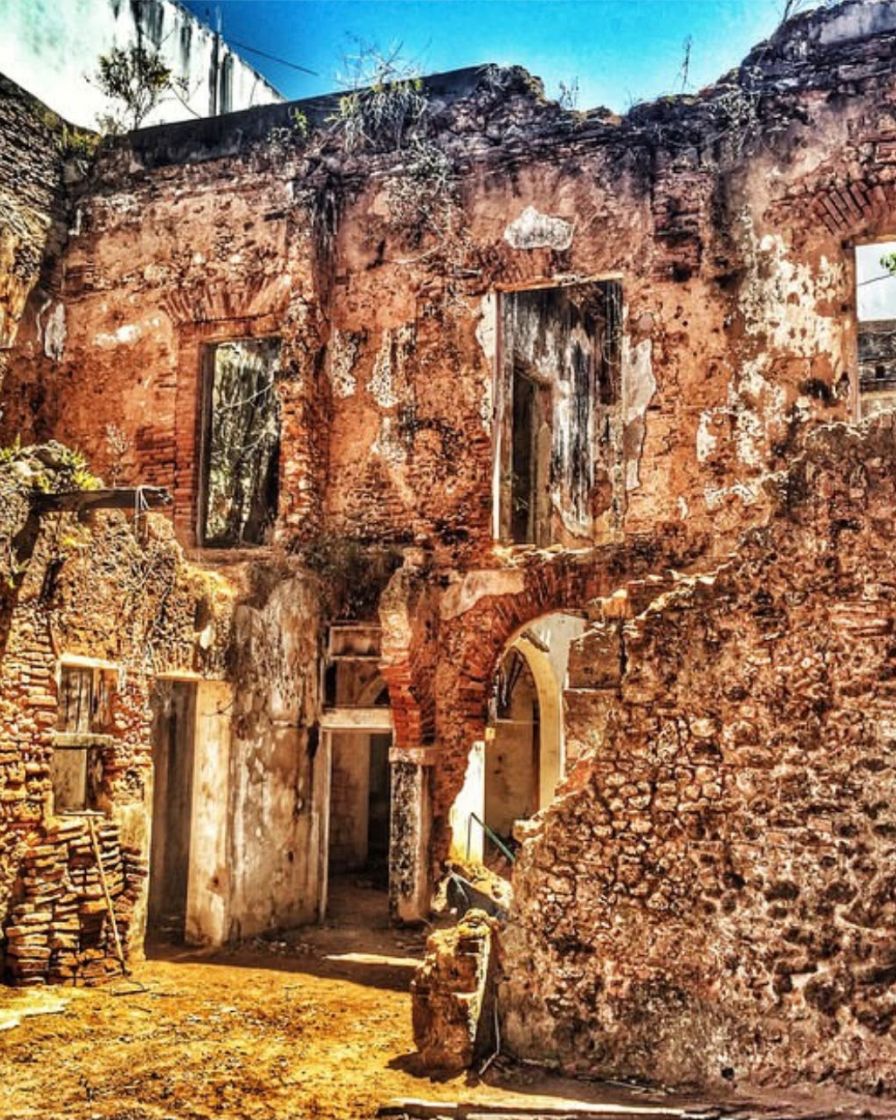
Before the restoration
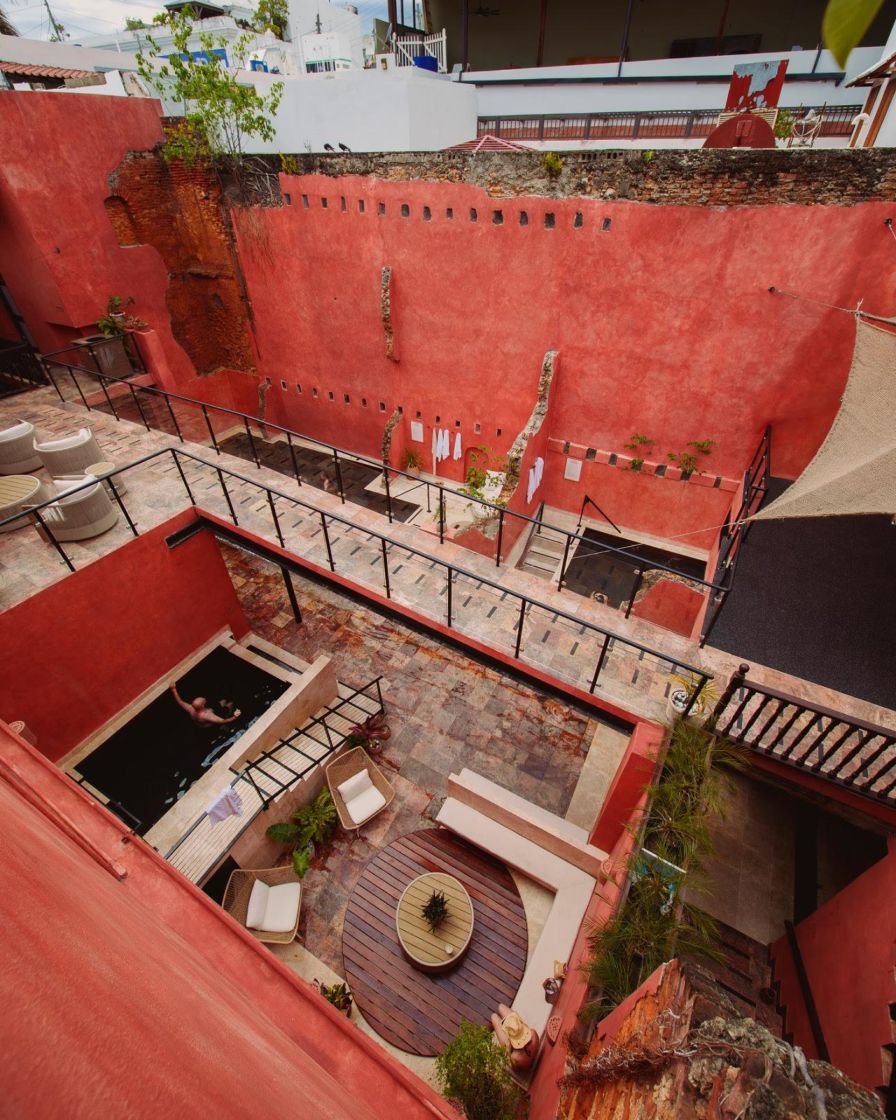
Today
The same walls, repaired and left visible.
A town home on Calle de la Cruz
The house goes up as a fine town home of 18th-century San Juan, built straight against the sidewalk on one of the oldest blocks inside the walls.
The working years
The building works for a living, making jewelry first and later shoes, with shops on the ground floor and families living in the rooms above. Trades pass through and the walls stay.
A home for many families
Through the 1920s, 30s and 40s the building is a home, with families living side by side in its rooms. Later it empties and the roof goes.
The restoration
Three years of work across eleven thousand square feet. The arches kept, the walls repaired, saunas and thermal baths brought inside a building that had gone a century without them.
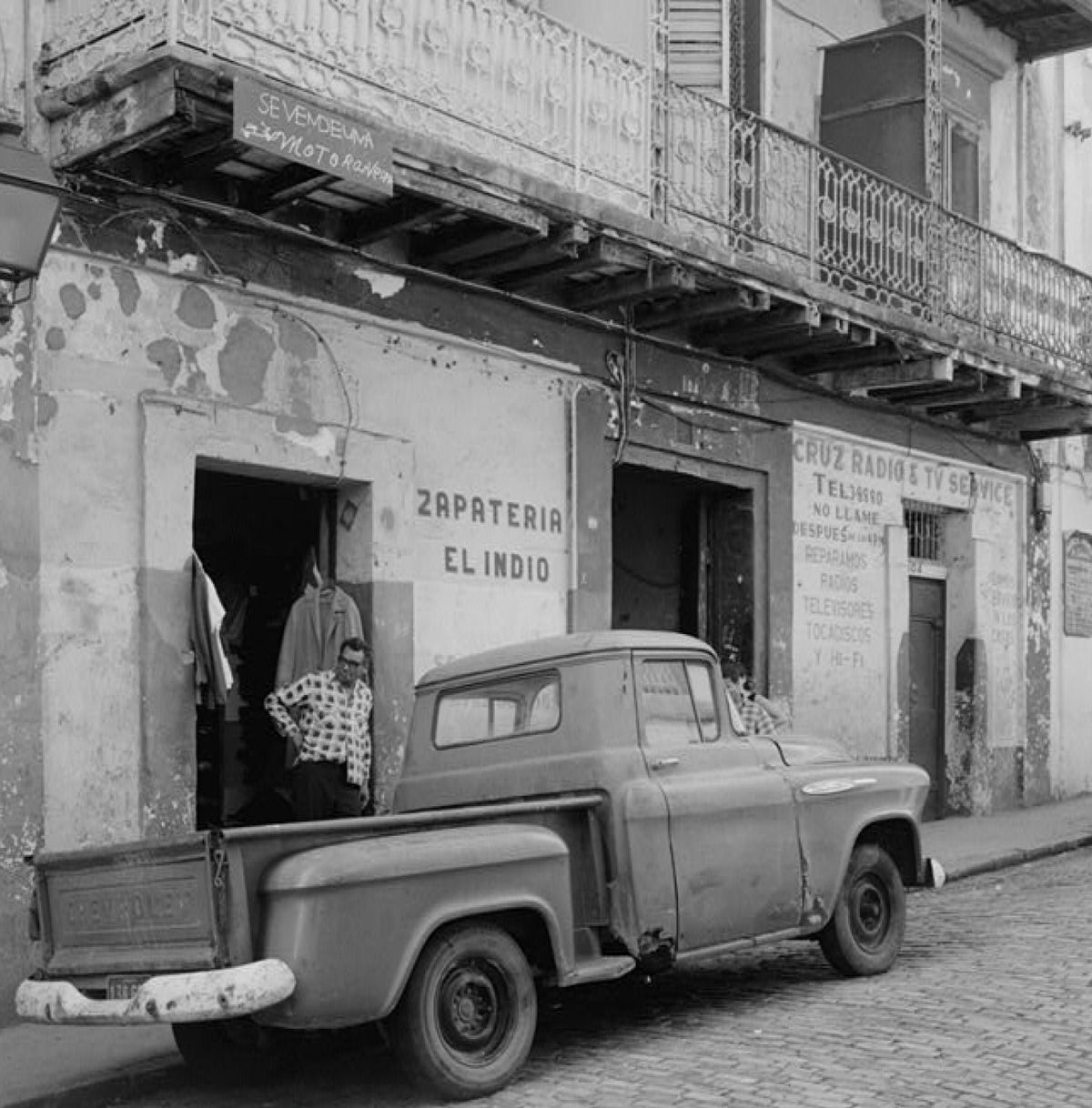 Calle de la Cruz
Its home here was never incidental. The building itself was once a ruin, and restoring it became part of who we are.
Rather than erase its past, the architecture, materials, colors and atmosphere were designed to celebrate it. The arches stayed. The walls stayed, patched where they had to be and left alone where they did not, then painted terracotta to match the look of the ruin. Where the old brick showed through, it kept showing through.
A space deeply rooted in Old San Juan, and the place Max set out to create: somewhere people truly connect, with themselves, with others and with the space itself.
A century after it fell quiet, the doors open every morning at 8, on Calle de la Cruz.